Archives
- 2026-07
- 2026-06
- 2026-05
- 2026-04
- 2026-03
- 2026-02
- 2026-01
- 2025-12
- 2025-11
- 2025-10
- 2025-09
- 2025-03
- 2025-02
- 2025-01
- 2024-12
- 2024-11
- 2024-10
- 2024-09
- 2024-08
- 2024-07
- 2024-06
- 2024-05
- 2024-04
- 2024-03
- 2024-02
- 2024-01
- 2023-12
- 2023-11
- 2023-10
- 2023-09
- 2023-08
- 2023-07
- 2023-06
- 2023-05
- 2023-04
- 2023-03
- 2023-02
- 2023-01
- 2022-12
- 2022-11
- 2022-10
- 2022-09
- 2022-08
- 2022-07
- 2022-06
- 2022-05
- 2022-04
- 2022-03
- 2022-02
- 2022-01
- 2021-12
- 2021-11
- 2021-10
- 2021-09
- 2021-08
- 2021-07
- 2021-06
- 2021-05
- 2021-04
- 2021-03
- 2021-02
- 2021-01
- 2020-12
- 2020-11
- 2020-10
- 2020-09
- 2020-08
- 2020-07
- 2020-06
- 2020-05
- 2020-04
- 2020-03
- 2020-02
- 2020-01
- 2019-12
- 2019-11
- 2019-10
- 2019-09
- 2019-08
- 2019-07
- 2018-07
-
First we synthesized inhibitor following the patent procedur
2021-04-06
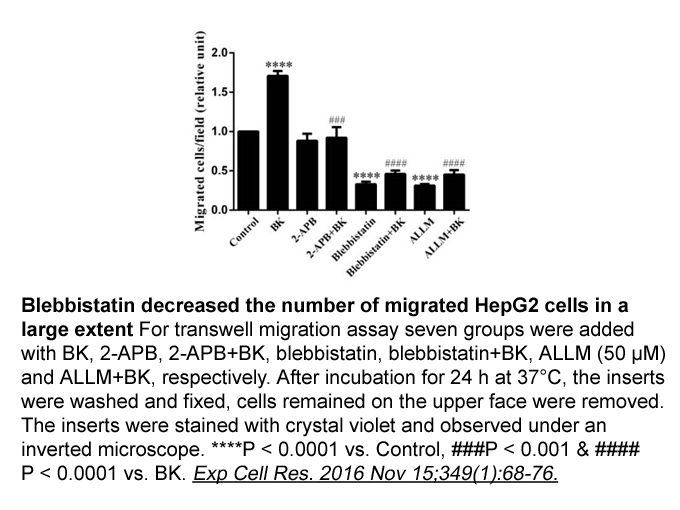
First, we synthesized inhibitor following the patent procedure reported by Shewchuk et al. to provide its first complete characterization (see ). Two different synthetic approaches were used to obtain compounds –. The first method relied on the alkylation of the common 5-phenol-2,4-diaminopyrimidin
-
br Introduction Accounting educators and
2021-04-06
Introduction Accounting educators and professional accounting organizations have speculated that advanced placement (AP) may be an effective tool for recruiting high-quality students into accounting education programs (Deines, Bittner, & Eichman, 2012; The Pathways Commission, 2012), and it is no
-
The main variable of the study was
2021-04-06
The main variable of the study was whether there was an association between the COMT Val158Met polymorphism and motor behavior. Additionally, it was investigated whether the effects of the COMT genotypes on the role played by tonic/phasic DA are associated with the stability/flexibility nature of th
-
br Conclusions and future perspectives It is now
2021-04-02

Conclusions and future perspectives It is now evident that selective ETA or nonselective endothelin receptor antagonism provides therapeutic potentials against a variety of cardiovascular diseases such as hypertension, PAH, and diabetic microvascular dysfunction (Fig. 1). However, PAH is currentl
-
Compounds and possessed relatively low clogP values and tend
2021-04-02
Compounds 11–13 and 15 possessed relatively low clogP values and tended to show relatively weak antagonist activity regardless of their potent EP1 receptor affinity. Compounds 2–4, which were selected based on their potent in vivo antagonist activity, were found to be effective in an animal model.
-
Previous studies demonstrated that cPLA translocates to the
2021-04-02
Previous studies demonstrated that cPLA2α translocates to the phagosomal membrane during macrophage phagocytosis through mechanisms that, in humans, involve phosphorylation of the enzyme by c-Jun N-terminal kinases and membrane association via the cationic cluster of four lysine residues present at
-
OxLDL down regulates eNOS and up regulates iNOS
2021-04-02
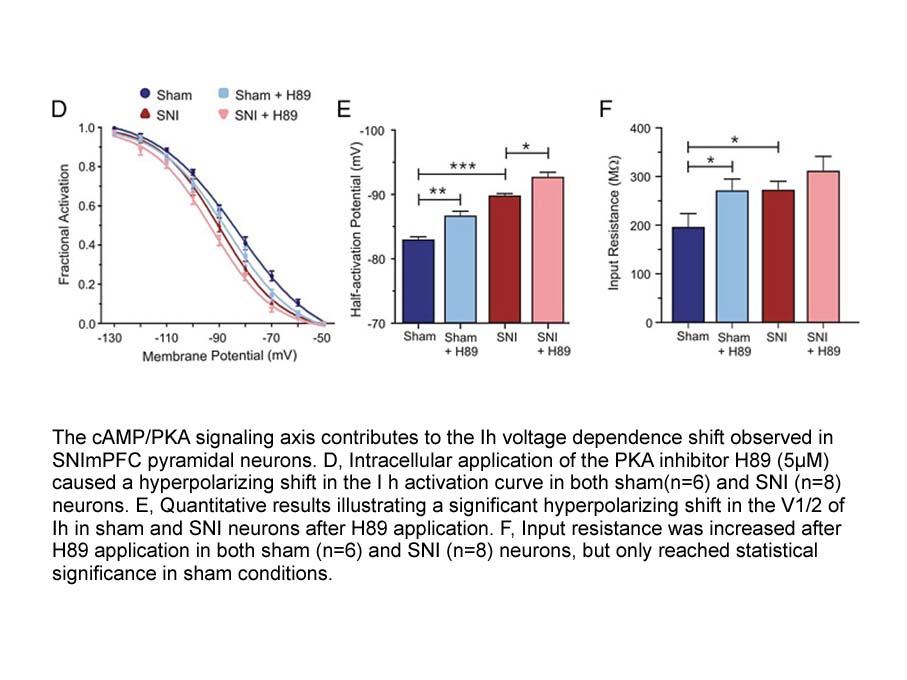
OxLDL down-regulates eNOS and up-regulates iNOS, thereby augmenting the formation of NO and protein S-nitrosylation in human endothelial PDK1 inhibitor [26]. Importantly, iNOS-mediated S-nitrosylation plays an increasingly significant role in cardiovascular diseases [34]. For example, iNOS-mediated
-
br The contribution of Interference
2021-04-02
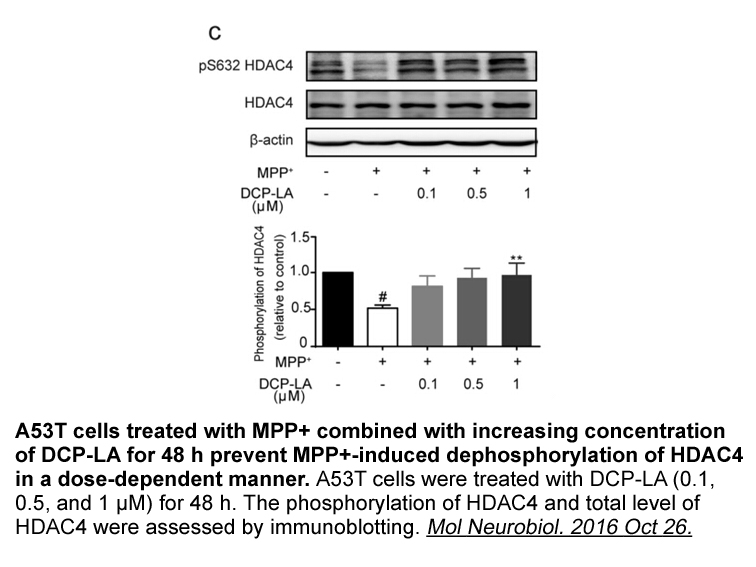
The contribution of Interference RNA and epigenetic in OA attenuation Interference RNA, a cellular mechanism for post-transcriptional gene silencing that is associated with mRNA. The potential of RNAi has successfully silenced the wide range of protein coding genes. Its high specificity sanctions
-
The data from the Sur lab have showed DNA PK
2021-04-02
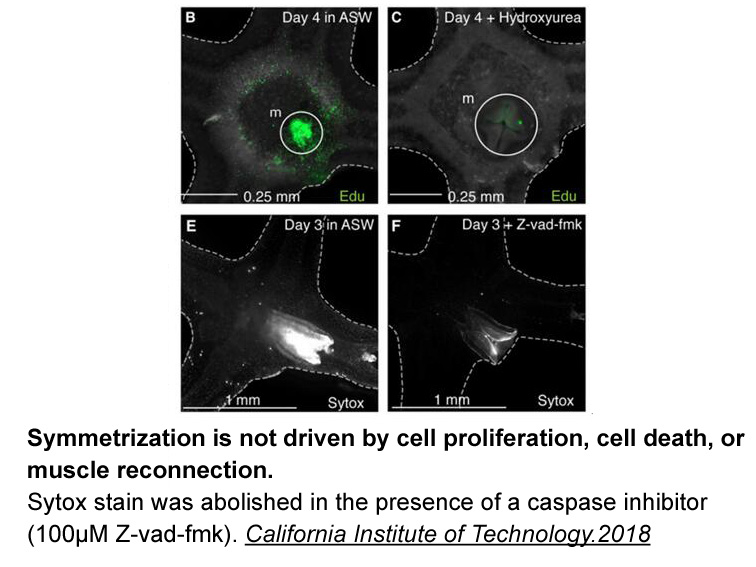
The data from the Sur lab have showed DNA-PK is involved in metabolic gene regulation in response to insulin. DNA-PK regulates fatty epinephrine adrenaline synthesis by modulating the protein expression of fatty acid synthase (FAS) in a feeding-dependent manner. DNA-PK induces the activation of Ups
-
MK-4827 hydrochloride australia Furthermore Survivin is a me
2021-04-02
Furthermore, Survivin is a member of the inhibitor of apoptosis family. IR induces a rapid nuclear accumulation of survivin and subsequent phosphorylation of the protein in the nucleus. Co-immunoprecipitation and immunofluorescence co-localization analyses revealed an interaction among survivin, Ku7
-
br Results To understand how Rad functions to maintain repli
2021-04-02

Results To understand how Rad53 functions to maintain replisome integrity, we first analyzed newly synthesized leading- and lagging-strand DNA in wild-type (WT) and rad53-1 mutant cells using BrdU-IP-ssSeq, a method that detects synthesis of both leading and lagging strands (Yu et al., 2014). Bri
-
Contrary to genetic aberrations epigenetic methylation
2021-04-02
Contrary to genetic aberrations epigenetic methylation markers with broad coverage of OvCa subtypes were detected in primary tumors [21]. Ibanez de Caceres et al. [22] identified hypermethylation of BRCA1, APC, p16, p14, DAPK or RASSF1A in 50 of 50 primary tumors. Moreover the methylation pattern wa
-
br Introduction The allergic response is a complex
2021-04-02
Introduction The allergic response is a complex process involving the interaction of several mediators; among these, cysteinyl leukotrienes (CysLTs) represent one of the most important actors in the pathogenesis of airway allergic diseases such as allergic rhinitis and asthma [1]. Pharmacological
-
br Limitations of the study
2021-04-02
Limitations of the study Possible conflicts of interest Dr. Fayemiwo or SAF has received full financial support from Europe Gilead Sciences Ltd. for his M.Sc. degree programme in Medical Mycology and has been paid for talks on behalf of AstraZeneca and GSK. Caroline Moore or CBM has received
-
It would be very useful if unphosphorylated CK s could
2021-04-02
It would be very useful if unphosphorylated CK1s could be prepared using an E. coli expression system without the troublesome in vitro phosphatase treatment. So far, it has been shown that coexpressed λPPase, a Mn2+-dependent protein phosphatase that can dephosphorylate phospho-Ser/Thr/Tyr [20,21],
15446 records 719/1030 page Previous Next First page 上5页 716717718719720 下5页 Last page