Archives
- 2026-09
- 2026-08
- 2026-07
- 2026-06
- 2026-05
- 2026-04
- 2026-03
- 2026-02
- 2026-01
- 2025-12
- 2025-11
- 2025-10
- 2025-09
- 2025-03
- 2025-02
- 2025-01
- 2024-12
- 2024-11
- 2024-10
- 2024-09
- 2024-08
- 2024-07
- 2024-06
- 2024-05
- 2024-04
- 2024-03
- 2024-02
- 2024-01
- 2023-12
- 2023-11
- 2023-10
- 2023-09
- 2023-08
- 2023-07
- 2023-06
- 2023-05
- 2023-04
- 2023-03
- 2023-02
- 2023-01
- 2022-12
- 2022-11
- 2022-10
- 2022-09
- 2022-08
- 2022-07
- 2022-06
- 2022-05
- 2022-04
- 2022-03
- 2022-02
- 2022-01
-
Despite efforts over the past decade to shed light on
2022-06-27
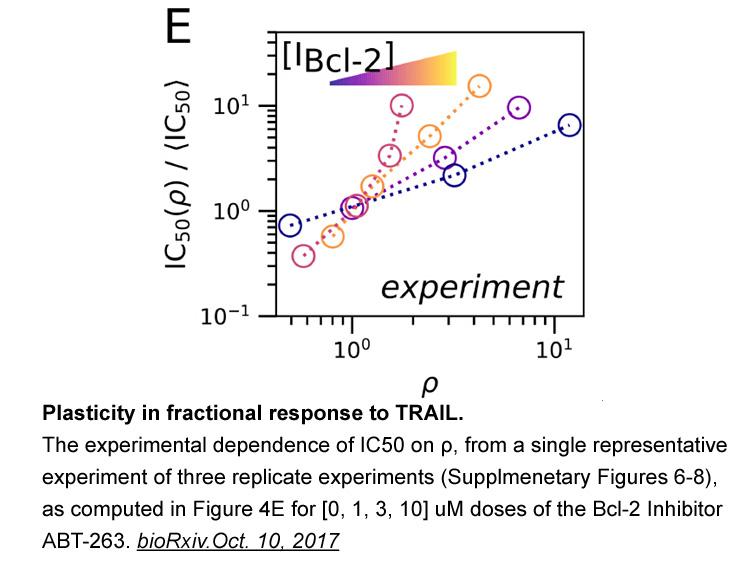
Despite efforts over the past decade to shed light on the endosomal maturation process and its underlying Rab conversion, the context in which all the involved protein components interact needs to be further elucidated. After defining single components and modules of the machinery important for endo
-
It has been proposed that HCA
2022-06-27
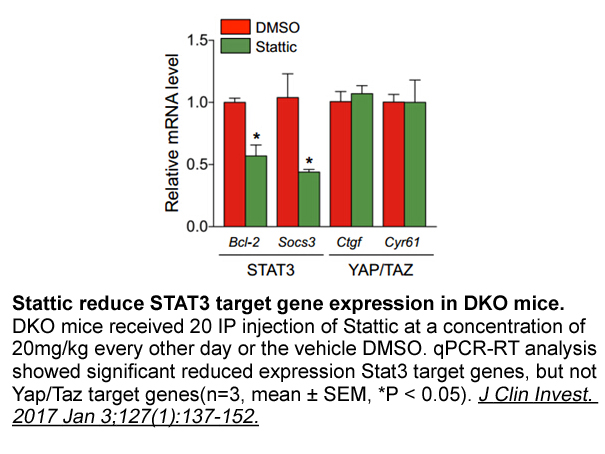
It has been proposed that HCA1 may be a better target than HCA2 to treat dyslipidemia and to prevent progression of atherosclerosis, because HCA1 is less widely expressed, and HCA1 activation does not result in flushing. However, since the antilipolytic effects mediated by HCA2 appear to be not the
-
A number of synthetic GPR agonists have been
2022-06-27
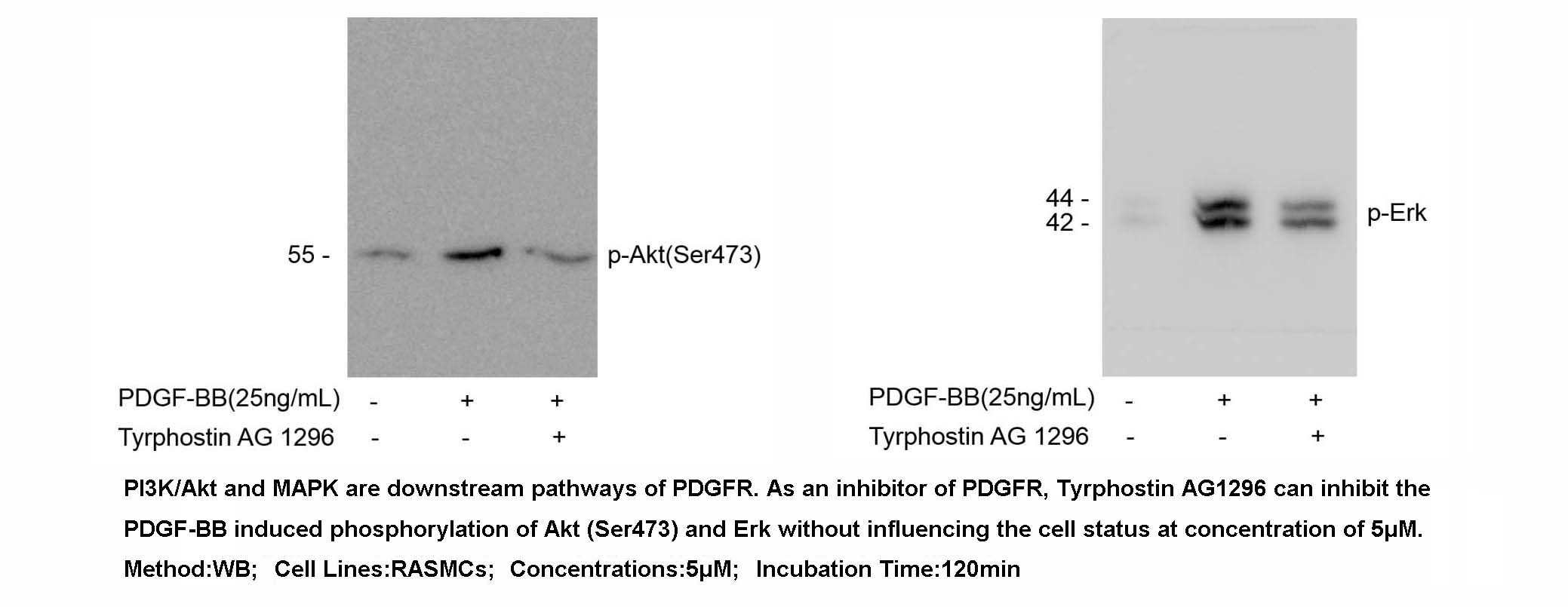
A number of synthetic GPR119 agonists have been reported to date, several of which have advanced into clinical trials. Reported GPR119 agonists are often composed of three parts as depicted in : a piperidine or a piperazine ring -substituted with a carbamate or a heteroaryl group at the right side,
-
Several studies have shown that the levels of
2022-06-24
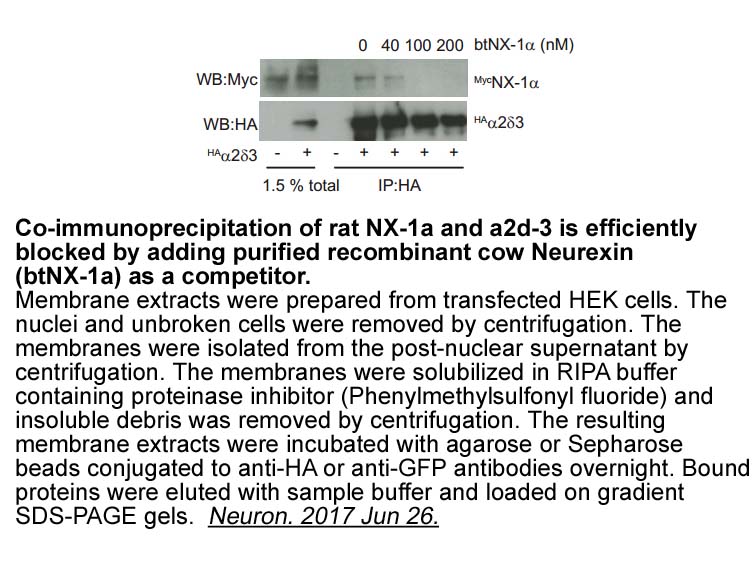
Several studies have shown that the levels of reactive dicarbonyls are higher in patients with diabetes as a result of hyperglycemia.49, 50, 51 Consequently, reactive dicarbonyl-derived AGEs are elevated in plasma and accumulate in tissues prone to secondary complications, including the lens, retina
-
The life cycle of T
2022-06-24
The life cycle of T. cruzi requires both vertebrate and invertebrate hosts. In the insect (invertebrate) vector, the protozoan undergoes extracellular replication, whereas in the mammalian (vertebrate) host it replicates by obligate intracellular multiplication (Rodrigues et al., 2014). Hence, the p
-
Overall ABC transporters are hypothesised to prevent the pen
2022-06-24
Overall, ABC transporters are hypothesised to prevent the penetration of AEDs and other pharmacological compounds into the brain, being a hurdle for therapeutic delivery in neurological diseases. DRE is thought to be in part related to an increased expression of efflux transporters in the BBB, altho
-
ATP is essential for maintaining the ionic balance of
2022-06-24
ATP is essential for maintaining the ionic balance of the lens (Michael and Bron, 2011). Without sufficient ATP there is an ionic imbalance due to Na+K+ATPase dysfunction. Previous studies have shown that rabbit lenses incubated ex vivo without glucose rapidly lost ATP in their lens epithelium and f
-
In a previous study M ykkynen et al we reported
2022-06-24

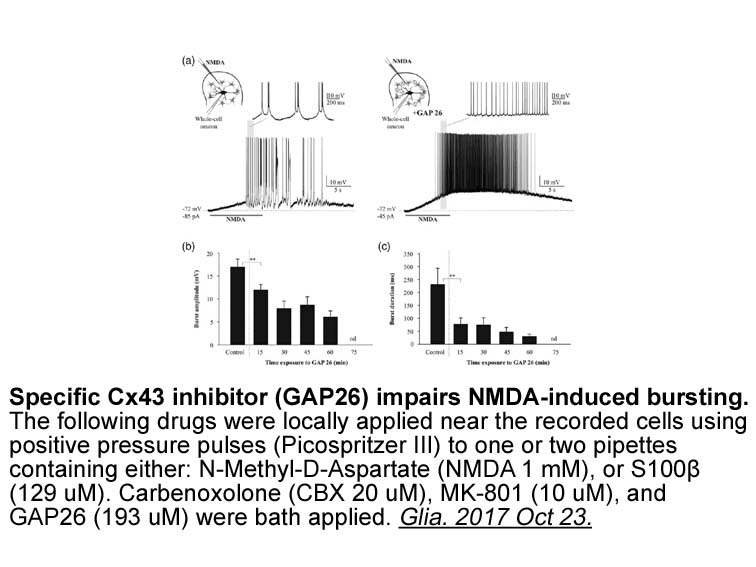
In a previous study (Möykkynen et al., 2003), we reported that ethanol lengthens the time needed for the AMPA receptors to recovery from desensitization in isolated hippocampal neurons. Here, we did not observe any effect of ethanol on recovery from desensitization in recombinant homomeric GluR-D re
-
br Sodium glucose co transporter
2022-06-24

Sodium-glucose co-transporter-2 inhibitors (SGLT2i) are the latest class of non-insulin glucose-lowering agents that facilitate glycaemic control by inhibiting renal glucose reabsorption, thus promoting glycosuria. Canagliflozin, dapagliflozin, and empagliflozin are the three commonly used agents
-
br Methods br Results and discussion br Conclusions A third
2022-06-24
Methods Results and discussion Conclusions A third example of a hexokinase using polyphosphate exclusively as a phosphoryl donor has been identified, this time in mammalian tissues. This is the first polyphosphate utilizing enzyme activity demonstrated in mammalian clobetasol price as far a
-
nor-NOHA acetate br Origin of the vertebrate
2022-06-24
Origin of the vertebrate hexokinase gene family Multiple hexokinases have been found in vertebrates, plants and yeast (Wilson, 1995, Cárdenas et al., 1998). A hexokinase in both vertebrates and yeast has, unfortunately, been named glucokinase. The sharing of the name glucokinase has suggested to
-
Here we used chemogenetic modulation of MBH GHSR neurons
2022-06-24
Here, we used chemogenetic modulation of MBH GHSR neurons to address the role of the endogenous ghrelin system in the normal, hyperphagic response to a short-term fast. Studies demonstrating the requirement of an intact ghrelin-GHSR system for the rebound food intake following fasting have been inco
-
br A small conductance chloride channel
2022-06-24

A small conductance chloride channel (SCC) In addition to the above-described channels, a 5pS SCC has been encountered in electrophysiological recordings. This channel, exhibiting long periods of opening separated by long intervals of closing, showed the same characteristics as the SCC described
-
br Materials and methods Manganese chloride MnCl H O
2022-06-24
Materials and methods Manganese chloride (MnCl2·4H2O), glutamate, glutamine, Lucifer Yellow, polyclonal anti-GFAP and MTT assay kits were purchased from Sigma Chemical Co. (St. Louis, MO). Dulbecco's Modified Eagle's Medium-F12 (DMEM-F12) with Earle's salts, foetal bovine serum, penicillin, and s
-
Introduction G quadruplexes are therapeutically important
2022-06-24
Introduction G-quadruplexes are therapeutically important non-canonical nucleic Coumarin australia structures that are formed by a planar assembly of four guanines, termed G-tetrads (Fig. 1), in the guanine rich regions of genome [[1], [2], [3]]. As it is getting increasingly established, several
8498 records 470/567 page Previous Next First page 上5页 466467468469470 下5页 Last page